Finding a Specialist for Cyst Removal in London
Selecting the right specialist for sebaceous cyst removal in London ensures you receive safe, effective treatment with optimal cosmetic results. With numerous clinics offering these services, knowing what to look for helps you make an informed choice.
Types of Specialists Who Perform Cyst Removal
In London, several types of medical professionals offer sebaceous cyst removal:
- Dermatologists: Skin specialists with extensive knowledge of various skin conditions and appropriate treatments
- Plastic Surgeons: Particularly beneficial for cysts in cosmetically sensitive areas
- General Surgeons: Experienced in various surgical procedures including cyst removal
- Minor Surgery Specialists: Doctors with specific training in office-based surgical procedures
Key Factors to Consider When Choosing a Clinic
- Qualifications and Experience: Look for specialists registered with the General Medical Council (GMC) who regularly perform cyst removals
- CQC Registration: Ensure the clinic is registered with the Care Quality Commission, indicating it meets essential quality and safety standards
- Specialisation: Consider clinics that focus specifically on dermatological surgery or minor skin procedures
- Before/After Gallery: Review examples of previous cyst removals to assess the quality of results
- Patient Reviews: Check independent review platforms for feedback from previous patients
- Consultation Approach: Choose clinics that offer thorough consultations before proceeding with treatment
- Aftercare Services: Enquire about follow-up appointments and support during recovery
Questions to Ask During Consultation
When meeting with potential specialists, consider asking:
- How many similar procedures do you perform monthly?
- What removal technique do you recommend for my specific cyst and why?
- What type of anaesthesia will be used?
- What is your complication rate?
- Will the tissue be sent for histological examination?
- What can I expect in terms of scarring?
- What is your approach if the cyst recurs?
Many London clinics offer same-day or walk-in cyst treatment options, particularly in Harley Street and central London locations. While convenience is important, prioritise quality and expertise when making your final decision. The right specialist will take time to address your concerns and provide a personalised treatment plan for your specific situation.
Table of Contents
- Understanding Sebaceous Cysts: Causes and Symptoms
- When to Seek Professional Cyst Removal in London
- Sebaceous Cyst Removal Methods and Procedures
- What to Expect During Cyst Excision Surgery
- Recovery and Aftercare Following Cyst Removal
- Cost of Sebaceous Cyst Removal in London Clinics
- Do Sebaceous Cysts Return After Treatment?
- Finding a Specialist for Cyst Removal in London
Understanding Sebaceous Cysts: Causes and Symptoms
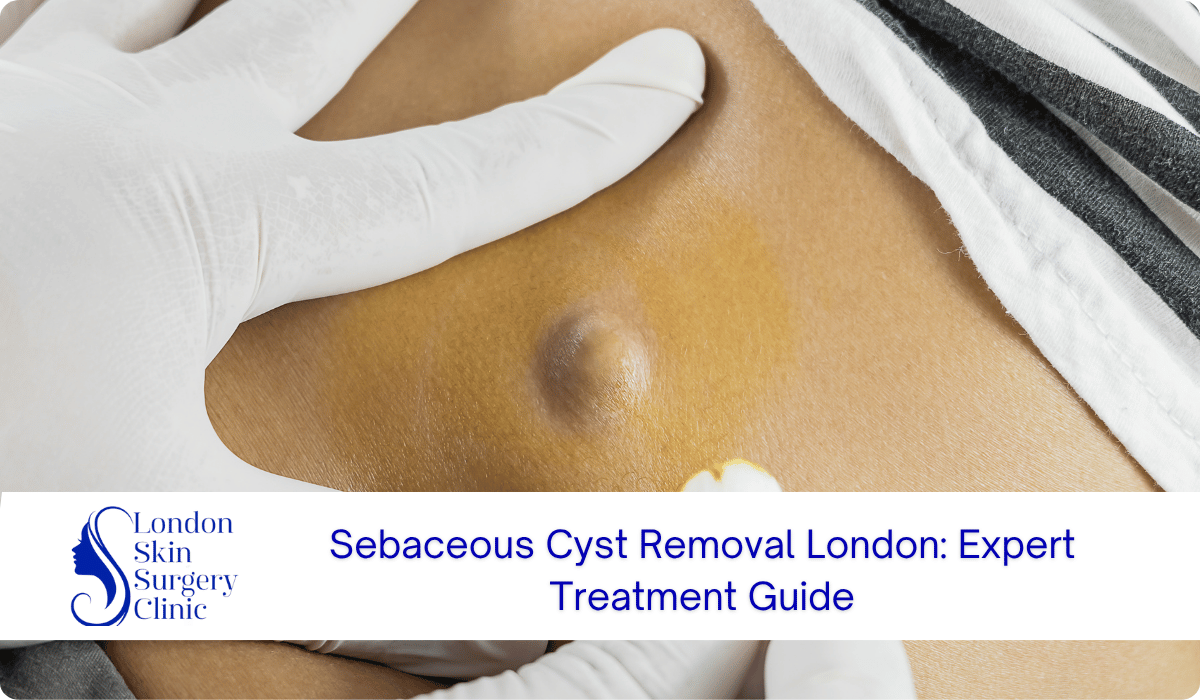
Sebaceous cysts (more accurately called epidermoid cysts) are common, benign skin growths that develop when skin cells multiply within a confined space beneath the skin, forming a sac filled with keratin—a thick, cheese-like substance. Despite their name, these cysts don’t actually originate from sebaceous glands but from the epidermis.
These dome-shaped lumps typically appear on the face, neck, back, and scalp, though they can develop anywhere on the body except the palms and soles. Most sebaceous cysts range from 1-5cm in diameter and grow slowly over time. They’re characterised by a small, central blackhead (punctum) which represents the blocked opening of a hair follicle.
Common causes of sebaceous cysts include:
- Blocked hair follicles or sebaceous glands
- Skin trauma or injury
- Genetic predisposition
- Hormonal factors
- Certain skin conditions like acne
While typically painless, sebaceous cysts may become tender, red, and inflamed if they rupture or become infected. Some patients report a foul-smelling discharge when cysts rupture, which occurs due to the release of the keratin contents. Though generally harmless, these cysts can cause discomfort, embarrassment, and cosmetic concerns, prompting many to seek professional removal.
When to Seek Professional Cyst Removal in London
While sebaceous cysts are typically benign, there are several circumstances when seeking professional cyst removal in London becomes advisable. Understanding when to consult a specialist ensures timely intervention and prevents potential complications.
You should consider professional sebaceous cyst treatment if:
- The cyst becomes infected – Signs include redness, pain, warmth, swelling, and possibly discharge. Infected cyst surgery requires prompt attention to prevent the infection from spreading.
- Rapid growth or change – Any cyst that suddenly increases in size or changes appearance warrants professional evaluation to rule out other conditions.
- Pain or discomfort – Cysts in areas subject to friction (like the neck or waistline) can cause persistent discomfort during daily activities.
- Cosmetic concerns – Visible cysts, particularly on the face or neck, may cause psychological distress and affect self-confidence.
- Recurrent cysts – If you’ve experienced multiple cysts or previous unsuccessful removal attempts, a dermatology cyst treatment specialist can provide more definitive solutions.
London offers numerous options for private cyst removal, including walk-in cyst treatment clinics and same-day cyst surgery facilities. Many patients prefer private treatment due to shorter waiting times compared to NHS services, which typically only remove cysts if they’re infected or causing significant medical issues.
For peace of mind, consider consulting a dermatologist or minor surgery specialist in London who can properly diagnose your condition and recommend appropriate treatment options tailored to your specific situation.
Sebaceous Cyst Removal Methods and Procedures
At specialist skin clinics in London, several effective methods are available for sebaceous cyst removal, each suited to different types and sizes of cysts. Understanding these options helps patients make informed decisions about their treatment.
Conventional Excision
The most thorough approach involves complete surgical excision of the cyst, including its wall (capsule). This minimises recurrence risk and is ideal for larger cysts. The procedure involves:
- Local anaesthetic injection
- Precise incision over the cyst
- Careful dissection to remove the entire cyst intact
- Closure with sutures
Minimal Incision Technique
This minimally invasive cyst removal approach uses a smaller incision to express the cyst contents before removing the capsule. It offers excellent cosmetic results with less scarring, making it popular for facial cysts.
Punch Excision
For smaller cysts, a punch biopsy tool creates a precise circular incision, allowing removal of the entire cyst through a minimal opening. This technique is particularly effective for scalp cysts.
Incision and Drainage
While not a definitive treatment, this cyst drainage procedure provides temporary relief for infected or painful cysts. The contents are drained, but since the cyst wall remains, recurrence is likely. This approach is sometimes used as an interim measure before complete removal.
At Skin Surgery Clinic London, our specialists select the most appropriate technique based on the cyst’s location, size, and whether infection is present. All procedures are performed under local anaesthetic, ensuring patient comfort throughout the process.
What to Expect During Cyst Excision Surgery
Undergoing sebaceous cyst removal at a London clinic is typically a straightforward experience with minimal discomfort. Understanding the procedure helps alleviate anxiety and ensures you’re properly prepared for your appointment.
Before the Procedure
Upon arrival at the clinic, your specialist will review your medical history and examine the cyst. They’ll explain the specific technique recommended for your case and answer any questions. You’ll be asked to sign a consent form after discussing potential risks and benefits. The area around the cyst will be cleaned and prepared for the procedure.
During the Procedure
The typical steps of cyst excision include:
- Anaesthesia – Local anaesthetic is injected around the cyst to numb the area completely. You may feel a brief sting from the injection, but the area quickly becomes numb.
- Incision – The surgeon makes a careful incision over or near the cyst, sized appropriately for the removal technique being used.
- Removal – The cyst contents and capsule are meticulously removed. You might feel pressure but should not experience pain.
- Closure – Depending on the size and location, the wound may be closed with sutures, surgical tape, or left to heal by secondary intention with appropriate dressing.
Procedure Duration
Most sebaceous cyst removals take between 20-45 minutes, depending on the size and complexity. The procedure is typically performed as an outpatient treatment, meaning you can return home immediately afterwards.
Tissue Analysis
Though sebaceous cysts are almost always benign, many London clinics routinely send the removed tissue for histopathological examination to confirm the diagnosis and rule out any unexpected findings. Your surgeon will discuss whether this is recommended in your case.
Recovery and Aftercare Following Cyst Removal
Proper cyst removal aftercare is essential for optimal healing and minimising scarring. Following your procedure at a London clinic, you’ll receive specific instructions tailored to your treatment, but these general guidelines apply to most sebaceous cyst removals.
Immediate Aftercare (First 24-48 Hours)
- Keep the wound clean and dry
- Leave the original dressing in place for 24-48 hours as advised
- Take prescribed pain relief if needed (typically paracetamol is sufficient)
- Apply cold compresses to reduce swelling
- Avoid strenuous activities and heavy lifting
- Elevate the affected area if possible to minimise swelling
Ongoing Care (1-2 Weeks)
Once the initial healing period has passed:
- Clean the area gently with mild soap and water as directed
- Apply any prescribed antibiotic ointment
- Change dressings according to your surgeon’s instructions
- Watch for signs of infection (increased redness, warmth, pain, or discharge)
- Attend scheduled follow-up appointments for suture removal if non-dissolvable sutures were used
Long-term Scar Management
After the wound has fully closed (typically 1-2 weeks):
- Apply silicone gel or sheets as recommended to minimise scarring
- Protect the area from sun exposure for at least 6 months
- Massage the scar gently once healed to improve appearance
When to Contact Your Surgeon
Seek medical advice promptly if you experience:
- Excessive bleeding or discharge
- Increasing pain or swelling after 48 hours
- Signs of infection (fever, increasing redness, warmth)
- Wound reopening
- Allergic reactions to dressings or medications
Most patients return to normal activities within a few days, with complete healing occurring over 2-4 weeks. Following these aftercare guidelines helps ensure the best possible cosmetic and functional outcome.
Cost of Sebaceous Cyst Removal in London Clinics
The cost of sebaceous cyst removal in London varies depending on several factors, including the clinic’s location, the surgeon’s expertise, the size and number of cysts, and the complexity of the procedure. Understanding the pricing structure helps patients plan accordingly for this private treatment.
Typical Price Ranges
In London’s private clinics, sebaceous cyst removal typically costs:
- Small, simple cysts: £295-£450
- Medium-sized cysts: £450-£650
- Large or complex cysts: £650-£950
- Multiple cysts: Additional cysts often incur a reduced fee
What’s Included in the Price
Most reputable London clinics include the following in their quoted price:
- Initial consultation (sometimes charged separately)
- The surgical procedure itself
- Local anaesthetic
- Basic dressings
- Immediate aftercare advice
Additional Costs to Consider
Be aware that some clinics charge separately for:
- Histopathology (laboratory analysis of the removed tissue)
- Follow-up appointments
- Prescription medications
- Specialised dressings
- Scar management products
NHS vs Private Treatment
While the NHS may remove sebaceous cysts that are infected or causing significant medical issues, many patients opt for private treatment due to:
- Shorter waiting times
- Choice of specialist
- Convenient appointment times
- More comprehensive removal options
- Greater focus on cosmetic outcomes
When comparing prices between London clinics, ensure you understand exactly what’s included in the quoted fee. Many Harley Street and central London clinics offer package prices that provide excellent value despite higher initial costs. Some clinics also offer payment plans to make treatment more accessible.
Do Sebaceous Cysts Return After Treatment?
A common concern for patients considering sebaceous cyst removal is whether the cyst might return after treatment. Understanding the factors that influence recurrence can help set realistic expectations and guide treatment decisions.
Recurrence Rates Based on Removal Method
The likelihood of a sebaceous cyst returning largely depends on the removal technique used:
- Complete excision: When the entire cyst wall (capsule) is removed, recurrence rates are very low—typically less than 5%. This is why experienced surgeons take care to remove the entire capsule intact.
- Incision and drainage only: This approach provides temporary relief but has recurrence rates of 50-70% as the cyst wall remains in place.
- Punch excision: When properly performed, this technique has recurrence rates of approximately 5-15%.
- Minimal incision technique: This method balances cosmetic results with effectiveness, with recurrence rates of about 10-20%.
Factors That Increase Recurrence Risk
Several factors can increase the likelihood of sebaceous cysts returning:
- Incomplete removal of the cyst wall
- Infection during the healing process
- Genetic predisposition to cyst formation
- Underlying skin conditions that promote cyst development
- Location of the cyst in areas prone to friction or trauma
Signs of Recurrence
If a cyst is going to recur, it typically happens within 6-12 months after removal. Signs include:
- A small bump developing at or near the original site
- Gradual enlargement of the area
- Similar appearance to the original cyst
Preventing Recurrence
To minimise the risk of sebaceous cyst recurrence:
- Choose an experienced specialist who regularly performs cyst removals
- Opt for complete excision when appropriate for your situation
- Follow aftercare instructions diligently
- Attend follow-up appointments as recommended
- Address any signs of infection promptly
If you’ve experienced recurrent cysts despite previous treatments, consulting with a dermatology cyst treatment specialist in London can help identify the most effective approach for your specific situation.
Finding a Specialist for Cyst Removal in London
Selecting the right specialist for sebaceous cyst removal in London ensures you receive safe, effective treatment with optimal cosmetic results. With numerous clinics offering these services, knowing what to look for helps you make an informed choice.
Types of Specialists Who Perform Cyst Removal
In London, several types of medical professionals offer sebaceous cyst removal:
- Dermatologists: Skin specialists with extensive knowledge of various skin conditions and appropriate treatments
- Plastic Surgeons: Particularly beneficial for cysts in cosmetically sensitive areas
- General Surgeons: Experienced in various surgical procedures including cyst removal
- Minor Surgery Specialists: Doctors with specific training in office-based surgical procedures
Key Factors to Consider When Choosing a Clinic
- Qualifications and Experience: Look for specialists registered with the General Medical Council (GMC) who regularly perform cyst removals
- CQC Registration: Ensure the clinic is registered with the Care Quality Commission, indicating it meets essential quality and safety standards
- Specialisation: Consider clinics that focus specifically on dermatological surgery or minor skin procedures
- Before/After Gallery: Review examples of previous cyst removals to assess the quality of results
- Patient Reviews: Check independent review platforms for feedback from previous patients
- Consultation Approach: Choose clinics that offer thorough consultations before proceeding with treatment
- Aftercare Services: Enquire about follow-up appointments and support during recovery
Questions to Ask During Consultation
When meeting with potential specialists, consider asking:
- How many similar procedures do you perform monthly?
- What removal technique do you recommend for my specific cyst and why?
- What type of anaesthesia will be used?
- What is your complication rate?
- Will the tissue be sent for histological examination?
- What can I expect in terms of scarring?
- What is your approach if the cyst recurs?
Many London clinics offer same-day or walk-in cyst treatment options, particularly in Harley Street and central London locations. While convenience is important, prioritise quality and expertise when making your final decision. The right specialist will take time to address your concerns and provide a personalised treatment plan for your specific situation.
Frequently Asked Questions
How much does sebaceous cyst removal cost in London?
Sebaceous cyst removal in London typically costs between £295-£950 depending on the cyst size and complexity. Small, simple cysts range from £295-£450, medium-sized cysts from £450-£650, and large or complex cysts from £650-£950. Most clinics include the consultation, procedure, local anaesthetic, and basic dressings in their quoted price, though additional costs may apply for histopathology, follow-up appointments, and specialized aftercare.
Are sebaceous cysts dangerous if left untreated?
Sebaceous cysts are generally benign and not dangerous if left untreated. However, complications can occur, including infection (causing pain, redness, and swelling), rupture (leading to inflammation), and rarely, malignant transformation. While not medically urgent in most cases, cysts may cause discomfort, cosmetic concerns, or functional problems depending on their location, which leads many patients to seek removal.
How long is recovery after sebaceous cyst removal?
Recovery after sebaceous cyst removal typically takes 1-2 weeks for initial healing. Most patients can return to normal activities within a few days, though complete healing occurs over 2-4 weeks. The first 24-48 hours require keeping the wound clean and dry with limited activity. Sutures, if used, are typically removed after 7-14 days depending on the location. Full scar maturation may take 6-12 months, during which time scar management techniques can improve the final appearance.
Will the NHS remove my sebaceous cyst?
The NHS will typically only remove sebaceous cysts if they are infected, causing significant pain, or interfering with normal function. Cyst removal for purely cosmetic reasons is generally not covered by NHS services. Many patients opt for private treatment due to shorter waiting times, choice of specialist, convenient appointment scheduling, and greater focus on cosmetic outcomes. If your cyst is causing medical issues, consult your GP who can refer you for NHS treatment if appropriate.
What is the difference between a sebaceous cyst and an epidermoid cyst?
The term “sebaceous cyst” is commonly used but technically incorrect for most cases. True sebaceous cysts originate from sebaceous glands and are rare. What most people call sebaceous cysts are actually epidermoid cysts, which form from the epidermis (outer skin layer) and contain keratin, not sebum. Epidermoid cysts have a central punctum (blackhead) and are filled with thick, cheese-like material, while true sebaceous cysts contain oily material. Both types require similar treatment approaches despite this distinction.
How can I tell if my sebaceous cyst is infected?
Signs of an infected sebaceous cyst include increasing redness around the cyst, warmth to the touch, tenderness or pain, swelling, discharge of pus, and sometimes fever or chills. The skin over the cyst may appear shiny or stretched, and the area might feel firmer than usual. If you notice these symptoms, seek medical attention promptly as infected cysts may require antibiotics or drainage before definitive removal can be performed.
Can sebaceous cysts go away on their own?
Sebaceous cysts rarely disappear completely on their own. While they may occasionally rupture and drain temporarily, the cyst wall typically remains under the skin, allowing the cyst to reform over time. Some cysts may remain the same size for years or grow very slowly, giving the impression of stability. Without removal of the entire cyst wall through proper surgical techniques, permanent resolution is unlikely. Home remedies may temporarily reduce inflammation but won’t eliminate the cyst.