Finding a Qualified Lipoma Specialist in London
Selecting the right specialist for your lipoma removal in London is crucial for achieving optimal results with minimal complications. The city offers numerous options for soft tissue surgery, but knowing what to look for ensures you receive expert care tailored to your specific needs.
Professional qualifications should be your primary consideration. Look for surgeons who are registered with the General Medical Council (GMC) and hold memberships with relevant professional bodies such as the British Association of Dermatologists or the British Association of Plastic, Reconstructive and Aesthetic Surgeons. Specialists with specific training in dermatological surgery or minor surgical procedures are particularly well-equipped to handle lipoma excisions.
Experience with lipoma removal specifically is important. Don’t hesitate to ask potential surgeons about their experience with subcutaneous lipoma removal, including how many procedures they perform annually. Specialists who regularly perform fatty lump removal will have refined techniques that minimise scarring and optimise results.
Clinic accreditation provides additional assurance of quality care. Reputable London clinics should be registered with the Care Quality Commission (CQC), indicating they meet rigorous safety and quality standards. The clinic’s facilities should include proper surgical suites equipped for minor surgery procedures.
Patient reviews and before-and-after galleries can provide valuable insights into both the technical skill of the surgeon and the patient experience at the clinic. Look for consistent positive feedback regarding outcomes, scarring, and overall satisfaction with the lipoma removal process.
During your initial consultation, assess how thoroughly the specialist examines your lipoma and explains your treatment options. A qualified lipoma specialist in London should take time to discuss the procedure, expected outcomes, potential risks, and recovery process. They should answer your questions clearly and make you feel comfortable about the recommended approach.
Location and accessibility may also influence your choice, as you’ll need to visit the clinic for your procedure and potentially follow-up appointments. Many leading lipoma specialists practice in central London areas such as Harley Street, Wimpole Street, and other medical districts, offering convenient access for patients throughout the city.
When researching potential specialists, look for those who offer a comprehensive approach to lipoma treatment. The best London practitioners will provide a thorough assessment, clear explanation of your options, transparent pricing, and excellent aftercare support. This patient-centered approach ensures not only successful lipoma removal but also a positive overall experience.
Finally, consider scheduling consultations with multiple specialists before making your decision. This allows you to compare approaches, communication styles, and recommended treatment plans. Many London lipoma specialists offer initial consultations specifically designed to help you determine if they’re the right fit for your needs.
Table of Contents
- What Are Lipomas? Understanding Fatty Lumps
- When to Consider Professional Lipoma Removal
- Lipoma Removal Techniques Used by London Specialists
- What to Expect During Your Lipoma Surgery in London
- Recovery and Aftercare Following Lipoma Excision
- Cost of Lipoma Removal in London: What to Expect
- Finding a Qualified Lipoma Specialist in London
- Can Lipomas Return After Removal? Long-term Outcomes
What Are Lipomas? Understanding Fatty Lumps
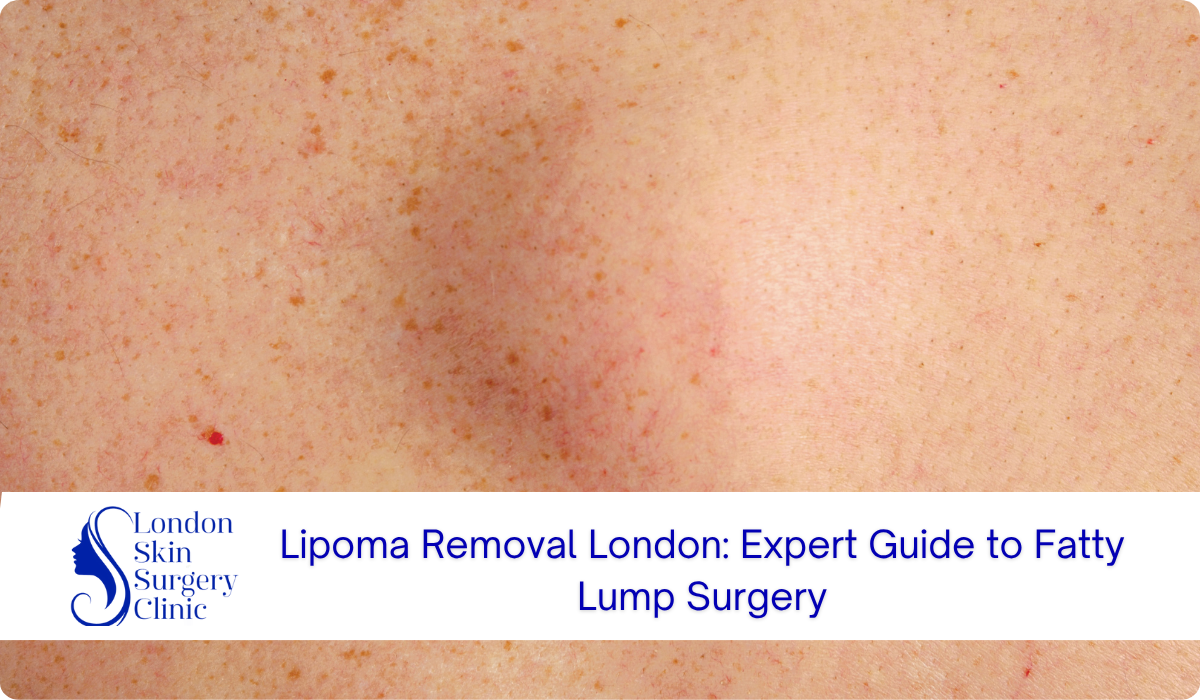
Lipomas are benign (non-cancerous) soft tissue growths that develop just beneath the skin’s surface. These subcutaneous lipomas consist of fatty tissue encapsulated within a thin, fibrous membrane. Typically, lipomas feel soft and rubbery to the touch and can move slightly when pressed with your fingers.
These fatty lumps most commonly appear on the neck, shoulders, back, abdomen, arms, and thighs. They tend to grow slowly over time and can range in size from a small pea to several centimetres in diameter. While most lipomas remain small, some can grow larger and become more noticeable or uncomfortable.
The exact cause of lipoma formation isn’t fully understood, though there appears to be a genetic component. They’re more common in adults between 40-60 years of age and may occasionally run in families. Unlike malignant tumours, lipomas don’t invade surrounding tissues or spread to other parts of the body, making them benign growths that primarily present cosmetic concerns rather than serious health risks.
It’s important to note that while lipomas are generally harmless, any new growth should be properly assessed by a medical professional to confirm the diagnosis and rule out other conditions that may require different treatment approaches.
When to Consider Professional Lipoma Removal
While lipomas are benign fatty tissue growths that often don’t require medical intervention, there are several circumstances when professional lipoma removal should be considered. Understanding these indicators can help you make an informed decision about seeking treatment at a London lipoma specialist clinic.
The most common reason patients seek lipoma excision is for cosmetic concerns. Visible lipomas, particularly on exposed areas like the face, neck or arms, can affect self-confidence and body image. Size is another important factor – lipomas that grow larger than 5cm may become increasingly noticeable and problematic.
Physical discomfort is a clear indication for removal. If a lipoma causes pain, particularly when pressed or during certain movements, professional intervention may be necessary. Lipomas located near joints or in areas where they rub against clothing can become especially uncomfortable during daily activities.
Medical reasons for removal include rapid growth, which though rare with lipomas, warrants investigation. Any lipoma that changes in appearance, becomes firm, immobile, or develops other concerning characteristics should be evaluated promptly. Additionally, if a lipoma interferes with bodily functions or restricts movement, removal is typically recommended.
Finally, diagnostic certainty is crucial. While most fatty lumps are benign lipomas, professional assessment ensures accurate diagnosis and rules out other conditions like liposarcoma (a rare malignant fatty tissue tumour) that may require different treatment approaches.
Lipoma Removal Techniques Used by London Specialists
London’s skin surgery specialists employ several advanced techniques for lipoma removal, tailoring the approach to each patient’s specific needs. The choice of method depends on the lipoma’s size, location, and the patient’s preferences regarding recovery time and scarring.
Traditional excision remains the most common approach for lipoma removal in London clinics. This minor surgery procedure involves making an incision over the lipoma, carefully dissecting the fatty tissue growth from surrounding tissues, and removing it completely. The wound is then closed with sutures, leaving a small linear scar that typically fades over time. This technique is particularly effective for larger lipomas or those with deeper attachments.
Minimally invasive lipoma removal techniques are increasingly popular for smaller growths. These include punch excision, where a small circular tool removes the lipoma through a tiny incision, and squeeze technique, which expresses the fatty tissue through a small opening. These approaches result in minimal scarring and faster recovery times.
Liposuction-assisted removal utilises a cannula to break up and extract the fatty tissue through small incisions. This soft tissue surgery technique is particularly useful for larger lipomas in areas where cosmetic outcomes are important. It allows for removal with less visible scarring compared to traditional excision.
Endoscopic lipoma removal represents the cutting edge of outpatient lipoma surgery in London. Using specialised instruments inserted through tiny incisions, surgeons can visualise and remove lipomas with minimal disruption to surrounding tissues. This technique is especially valuable for lipomas in difficult-to-access locations.
All these procedures are typically performed under local anaesthetic, making them safe outpatient treatments with minimal downtime. Your London lipoma specialist will recommend the most appropriate technique based on your individual case during your consultation.
What to Expect During Your Lipoma Surgery in London
When you arrive at a London skin surgery clinic for lipoma removal, the process typically begins with a brief pre-operative consultation. Your surgeon will review your medical history, examine the lipoma, and confirm the treatment plan. This is an excellent opportunity to ask any last-minute questions about your subcutaneous lipoma removal procedure.
Before the procedure begins, the area surrounding the lipoma will be thoroughly cleansed with an antiseptic solution. The surgeon will then administer a local anaesthetic via a small injection to numb the area completely. While you might feel a brief sting from the injection, the procedure itself should be painless. For patients with anxiety, some clinics offer light sedation options, though this is rarely necessary for standard lipoma excision.
During the fatty lump removal, you’ll remain awake but comfortable. Depending on the technique chosen, the surgeon will make an appropriately sized incision, carefully separate the lipoma from surrounding tissues, and remove it intact. For diagnostic certainty, the removed tissue may be sent for pathological examination, though lipomas are benign tumours in the vast majority of cases.
Once the lipoma is removed, the surgeon will close the incision using sutures designed to minimise scarring. These may be dissolvable or require removal at a follow-up appointment. The entire procedure typically takes between 30-60 minutes, depending on the size and location of the lipoma.
Immediately after your outpatient lipoma surgery, the area will be bandaged, and you’ll receive detailed aftercare instructions. Most patients can return home immediately after the procedure and resume light activities the same day, making lipoma removal a convenient option for busy London professionals.
Recovery and Aftercare Following Lipoma Excision
Following lipoma removal surgery in London, proper aftercare is essential for optimal healing and minimising scarring. Most patients experience a straightforward recovery period with minimal disruption to their daily activities. Understanding what to expect and how to care for your wound can significantly improve your recovery experience.
Immediately after your fatty tissue removal procedure, the surgical site will be covered with a sterile dressing. You’ll be advised to keep this in place for 24-48 hours to protect the wound from contamination. Some mild discomfort, swelling, and bruising around the incision site are normal and typically subside within a few days. Your surgeon may recommend over-the-counter pain relief if needed, though many patients find they require minimal pain management.
Wound care is straightforward but important. Once you’re permitted to remove the initial dressing, gently clean the area as directed by your surgeon—typically with mild soap and water—and apply a fresh dressing if recommended. Avoid submerging the wound in water (baths, swimming pools) until it’s fully healed, though showering is usually permitted after 48 hours.
Activity restrictions following lipoma excision are generally minimal. Most patients can return to desk work and light activities within 24-48 hours. However, strenuous exercise, heavy lifting, and activities that might stretch or strain the surgical site should be avoided for 1-2 weeks, particularly for larger lipoma removals. Your surgeon will provide specific guidance based on your procedure and the location of your lipoma.
Scar management begins once your wound has fully closed. Your London specialist may recommend silicone gel sheets, scar creams, or other treatments to optimise the cosmetic outcome. Protecting the healing scar from sun exposure is crucial, as UV radiation can cause permanent darkening of the scar tissue.
Follow-up appointments are typically scheduled 1-2 weeks after surgery to assess healing and remove non-dissolvable sutures if present. During this visit, your surgeon will also discuss the pathology results if your lipoma was sent for laboratory examination, though this is primarily a precautionary measure as the vast majority of lipomas are benign.
Contact your clinic promptly if you notice signs of infection (increasing redness, warmth, pain, discharge, or fever) or if the wound opens. These complications are rare but require prompt attention to ensure proper healing.
Cost of Lipoma Removal in London: What to Expect
The cost of lipoma removal in London varies depending on several factors, including the size and location of the fatty lump, the complexity of the procedure, and the expertise of the specialist performing the surgery. Understanding these pricing factors can help you budget appropriately for your treatment.
For small to medium-sized lipomas in straightforward locations, prices typically start from £500-£800 at private London clinics. Larger lipomas or those in more complex anatomical areas may cost between £800-£1,500. These base prices generally include the consultation, the procedure itself under local anaesthetic, and standard aftercare.
Additional costs to consider include the initial consultation fee, which ranges from £150-£250 at most London skin surgery clinics. This fee is sometimes deducted from the total procedure cost if you proceed with treatment. Pathology testing, where the removed tissue is sent to a laboratory for analysis, typically adds £100-£200 to the overall cost. While not always necessary, this testing provides diagnostic certainty and peace of mind.
Most private lipoma surgery in London is not covered by basic health insurance policies, as lipomas are generally considered benign conditions that don’t pose health risks. However, some comprehensive policies may provide coverage, particularly if the lipoma causes pain or functional impairment. We recommend checking with your insurance provider before booking your procedure.
Many London clinics offer payment plans to help manage the cost of lipoma removal, allowing you to spread payments over several months. During your consultation, ask about available financing options if this would be helpful for your situation. Learn more about affordable lipoma removal options and payment plans to help manage your treatment costs effectively.
While NHS treatment for lipomas is possible, it’s increasingly restricted to cases where the lipoma causes significant symptoms or there’s diagnostic uncertainty. For cosmetic concerns or faster treatment, private lipoma removal in London offers a convenient and efficient solution with minimal waiting times.
Finding a Qualified Lipoma Specialist in London
Selecting the right specialist for your lipoma removal in London is crucial for achieving optimal results with minimal complications. The city offers numerous options for soft tissue surgery, but knowing what to look for ensures you receive expert care tailored to your specific needs.
Professional qualifications should be your primary consideration. Look for surgeons who are registered with the General Medical Council (GMC) and hold memberships with relevant professional bodies such as the British Association of Dermatologists or the British Association of Plastic, Reconstructive and Aesthetic Surgeons. Specialists with specific training in dermatological surgery or minor surgical procedures are particularly well-equipped to handle lipoma excisions.
Experience with lipoma removal specifically is important. Don’t hesitate to ask potential surgeons about their experience with subcutaneous lipoma removal, including how many procedures they perform annually. Specialists who regularly perform fatty lump removal will have refined techniques that minimise scarring and optimise results.
Clinic accreditation provides additional assurance of quality care. Reputable London clinics should be registered with the Care Quality Commission (CQC), indicating they meet rigorous safety and quality standards. The clinic’s facilities should include proper surgical suites equipped for minor surgery procedures.
Patient reviews and before-and-after galleries can provide valuable insights into both the technical skill of the surgeon and the patient experience at the clinic. Look for consistent positive feedback regarding outcomes, scarring, and overall satisfaction with the lipoma removal process.
During your initial consultation, assess how thoroughly the specialist examines your lipoma and explains your treatment options. A qualified lipoma specialist in London should take time to discuss the procedure, expected outcomes, potential risks, and recovery process. They should answer your questions clearly and make you feel comfortable about the recommended approach.
Location and accessibility may also influence your choice, as you’ll need to visit the clinic for your procedure and potentially follow-up appointments. Many leading lipoma specialists practice in central London areas such as Harley Street, Wimpole Street, and other medical districts, offering convenient access for patients throughout the city.
Can Lipomas Return After Removal? Long-term Outcomes
One of the most common questions patients ask before undergoing lipoma removal surgery is whether these fatty tissue growths can recur. Understanding the long-term outcomes of lipoma excision can help set realistic expectations and inform your decision-making process.
When a lipoma is completely removed through proper surgical excision, the recurrence rate is very low—typically less than 5% for standard cases. Complete removal involves extracting the entire lipoma, including its capsule (the thin membrane surrounding the fatty tissue). This comprehensive approach, commonly practiced by London specialists, significantly reduces the chance of regrowth.
Factors that may influence recurrence include the removal technique used and the completeness of the excision. Minimally invasive techniques, while offering cosmetic advantages, may occasionally leave microscopic lipoma cells behind, potentially leading to regrowth. Traditional excision, which allows for complete visualisation and removal of the lipoma, generally offers the lowest recurrence rates.
It’s important to distinguish between true recurrence (regrowth at the exact same site) and the development of new lipomas elsewhere on the body. Patients with multiple lipomas or familial tendencies toward lipoma formation may develop new growths over time, even after successful removal of existing ones. This isn’t a treatment failure but rather a manifestation of the underlying predisposition to develop these benign tumours.
Long-term scarring outcomes are another important consideration. Most patients experience progressive improvement in scar appearance over 6-12 months following surgery. Initially red and slightly raised, scars typically flatten and fade to a thin, pale line with proper care. Factors affecting scar quality include the surgical technique, your skin type, the location of the lipoma, and your adherence to aftercare instructions.
Follow-up care plays a role in monitoring long-term outcomes. While routine follow-up isn’t always necessary after benign lipoma removal, patients should perform periodic self-examinations of the surgical site and report any concerns to their specialist. Any unusual changes at the excision site or rapid growth of new lumps should prompt a return visit to your London clinic.
Overall, lipoma removal surgery offers excellent long-term outcomes for most patients, with high satisfaction rates, low recurrence, and minimal long-term complications. The combination of expert surgical technique and appropriate aftercare typically results in permanent resolution of the specific lipoma with acceptable cosmetic results.
Frequently Asked Questions
How do I know if my lump is a lipoma?
Lipomas typically feel soft, rubbery, and movable under the skin. They’re usually painless, grow slowly, and range from pea-sized to several centimeters in diameter. While these characteristics suggest a lipoma, only a medical professional can provide a definitive diagnosis through physical examination and, if necessary, imaging or biopsy.
Is lipoma removal painful?
Lipoma removal is performed under local anesthesia, meaning you’ll feel minimal discomfort during the procedure. You may experience a brief sting from the anesthetic injection, but the surgery itself should be painless. After the procedure, mild soreness for 1-3 days is normal and can typically be managed with over-the-counter pain medication.
How long does lipoma removal surgery take?
Most lipoma removal procedures in London take between 30-60 minutes to complete, depending on the size and location of the lipoma. Smaller lipomas may require as little as 20 minutes, while larger or more complex cases might take up to 90 minutes. The procedure is typically performed as an outpatient treatment, allowing you to return home the same day.
Will my lipoma removal be covered by the NHS?
NHS coverage for lipoma removal has become increasingly restricted and is typically only available if the lipoma causes significant pain, restricts movement, shows suspicious features, or creates functional problems. Lipomas removed purely for cosmetic reasons generally require private treatment. Your GP can advise whether your specific case might qualify for NHS treatment.
How visible will the scar be after lipoma removal?
Scarring after lipoma removal depends on the size and location of the lipoma, the surgical technique used, and your skin’s healing characteristics. Most scars start as red lines that gradually fade to thin, pale marks over 6-12 months. London specialists typically place incisions along natural skin lines and use advanced closure techniques to minimize visible scarring.
Can I drive home after lipoma removal surgery?
While lipoma removal is performed under local anesthesia and you’ll remain conscious throughout, it’s generally recommended to arrange for someone to drive you home after the procedure. This is particularly important if you’ve received any sedation or if the lipoma was removed from an area that might affect your driving ability, such as your arm or shoulder.
How soon can I return to work after having a lipoma removed?
Most patients can return to desk work and light activities within 24-48 hours after lipoma removal. For physically demanding jobs, your surgeon may recommend 3-7 days off, particularly if the lipoma was large or located in an area subject to movement or pressure. Follow your specialist’s specific guidance based on your individual procedure and recovery.