Essential Insights for Keloid Treatment Success
- Keloids are abnormal scars that extend beyond the original wound and require specialized treatment approaches
- Genetic factors significantly influence keloid formation, with darker skin tones having higher risk
- Combination therapies (such as surgery with radiation or steroid injections) provide better outcomes than single treatments
- Injection therapy costs in London range from £250-£500 per session, with multiple sessions typically required
- Complete permanent removal cannot be guaranteed, with recurrence rates varying from 10-100% depending on treatment method
- Post-treatment care using silicone therapy and pressure garments for 3-6 months is crucial for preventing recurrence
- Early intervention at the first sign of abnormal scarring significantly improves treatment success rates
Table of Contents
- Understanding Keloid Scars: Causes and Risk Factors
- How to Identify Keloids vs Other Raised Scars
- Advanced Keloid Removal Options in London
- Keloid Injection Therapy: Costs and Effectiveness
- Surgical Approaches for Keloid Scar Treatment
- Can Keloids Be Permanently Removed?
- Post-Treatment Care and Keloid Prevention Strategies
- Finding Specialist Keloid Treatment in London
Understanding Keloid Scars: Causes and Risk Factors
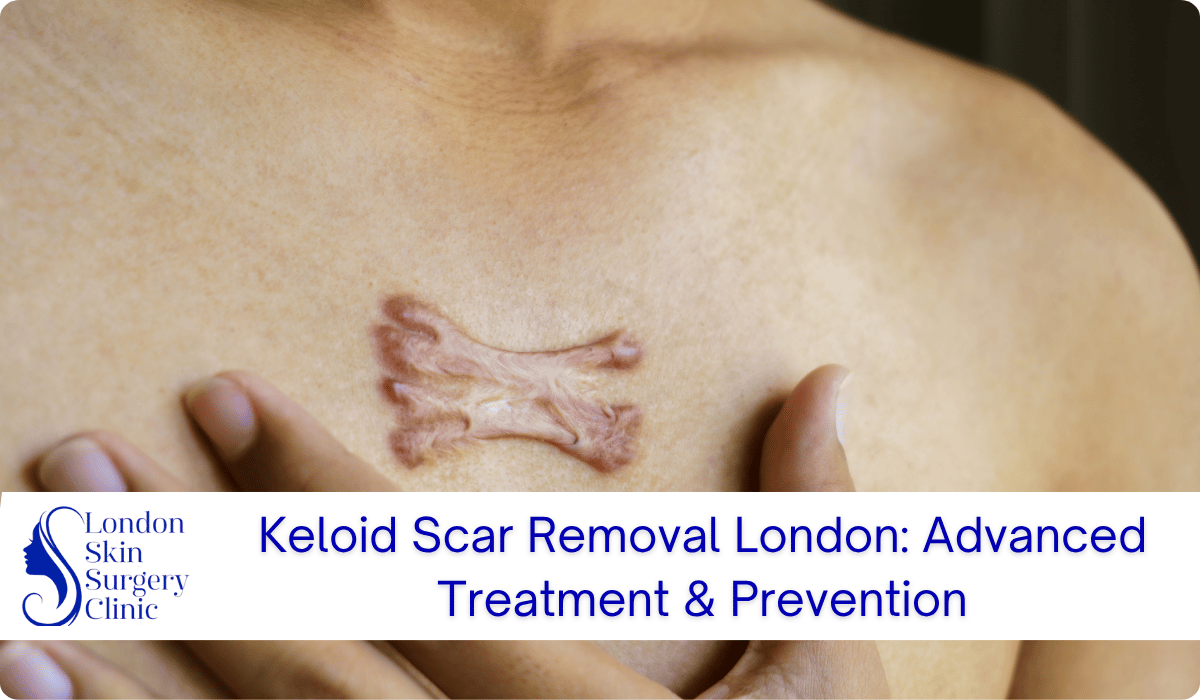
Keloid scars represent an abnormal wound healing response where scar tissue grows excessively beyond the boundaries of the original injury. For patients seeking keloid removal in London UK, understanding the underlying causes is essential for effective treatment planning.
Keloids develop when the body produces excessive collagen during the healing process. Unlike normal scars that eventually flatten and fade, keloids continue to grow and can become significantly larger than the original wound. This overgrowth of dense, fibrous tissue results in raised, often reddish or purplish scars that may be itchy, tender, or painful.
Several risk factors increase the likelihood of keloid formation:
- Genetic predisposition – Keloids often run in families, with certain ethnic groups at higher risk, particularly those with darker skin tones
- Age – Most common in individuals between 10 and 30 years old
- Wound type – Burns, surgical incisions, acne, piercings, and tattoos can all trigger keloid formation
- Body location – Areas with high skin tension such as the chest, shoulders, earlobes, and upper back are more susceptible
- Hormonal factors – Keloids may worsen during puberty or pregnancy
Understanding these factors helps London specialists develop personalised treatment approaches for each patient, as keloid management often requires a combination of therapies tailored to the individual’s specific circumstances.
How to Identify Keloids vs Other Raised Scars
Distinguishing keloids from other types of raised scars is crucial for determining the most appropriate treatment approach. At our London keloid scar treatment clinic, we frequently help patients understand the difference between keloids and hypertrophic scars, which are often confused.
Keloid Scars:
- Extend beyond the original wound boundaries
- Continue to grow over time, sometimes for years
- May develop months after the initial injury
- Often have a smooth, shiny, dome-shaped appearance
- Typically pink, red, or purple in colour
- Can be itchy, tender, or painful
- Rarely regress without intervention
Hypertrophic Scars:
- Remain within the boundaries of the original wound
- May be raised but typically flatten over time (6-18 months)
- Develop within weeks of injury
- Often have a more linear appearance
- Usually red or pink initially, fading to a lighter colour
- May improve significantly without treatment
Other raised skin conditions that might be confused with keloids include dermatofibromas, which are firm nodules usually found on the legs, and certain types of skin cancers. If you’re uncertain about a raised scar, professional assessment at a specialised keloid removal clinic in London is recommended for accurate diagnosis and appropriate treatment planning.
Advanced Keloid Removal Options in London
London offers some of the UK’s most advanced keloid scar treatment options, with specialist clinics providing comprehensive approaches to managing these challenging scars. Modern keloid removal techniques focus on not only removing the existing scar tissue but also preventing recurrence, which is a common issue with keloids.
Non-surgical Advanced Treatments:
- Intralesional Steroid Injections: Triamcinolone acetonide injections remain a first-line treatment, reducing inflammation and collagen synthesis.
- Cryotherapy: Freezing the keloid tissue with liquid nitrogen can reduce size and symptoms, particularly effective for smaller keloids.
- Laser Therapy: Pulsed-dye lasers target blood vessels within the keloid, reducing redness and potentially flattening the scar.
- Radiation Therapy: Often used as an adjunct to surgery to prevent recurrence by inhibiting fibroblast proliferation.
- 5-Fluorouracil (5-FU) Injections: This chemotherapy agent can be injected alone or combined with steroids to inhibit collagen production.
Combination Therapies:
London specialists often employ combination approaches for optimal results. For example, surgical excision followed by immediate radiation therapy or steroid injections has shown improved outcomes compared to single-modality treatments. Pressure therapy using custom-made silicone sheets or compression garments may also be recommended as part of a comprehensive treatment plan.
The choice of treatment depends on several factors, including keloid size, location, previous treatments, and individual patient characteristics. London’s specialist clinics offer personalised assessment to determine the most appropriate approach for each case, with treatment plans often evolving based on response.
Keloid Injection Therapy: Costs and Effectiveness
Injection therapy represents one of the most common and effective treatments for keloid scars in London clinics. These non-surgical interventions can significantly reduce keloid size, flatten raised scars, and alleviate associated symptoms like itching and tenderness.
Types of Injection Therapies:
- Corticosteroid Injections: Typically triamcinolone acetonide (10-40 mg/ml), administered directly into the keloid at 4-6 week intervals. Multiple sessions are usually required.
- 5-Fluorouracil (5-FU): Often combined with corticosteroids for enhanced effectiveness, particularly for resistant keloids.
- Bleomycin: An antitumour agent that can reduce keloid size through inhibition of collagen synthesis.
- Verapamil: A calcium channel blocker that may alter collagen deposition.
Effectiveness:
Research indicates that corticosteroid injections achieve improvement in 50-100% of cases, with a recurrence rate of 9-50%. Combined therapies often show superior results. Most patients require multiple sessions, typically 3-6 treatments, to achieve optimal outcomes.
Costs in London:
Keloid injection therapy costs in London typically range from £250-£500 per session, depending on the clinic location, the specific injectable used, and the size of the keloid being treated. Harley Street specialists may charge premium rates, while other central London clinics offer competitive pricing. Most patients require multiple sessions, so the total treatment cost should be considered. Some clinics offer package pricing for multiple sessions.
While injection therapy is generally less expensive than surgical options, it’s important to discuss the likely number of sessions required during your initial consultation to understand the full financial commitment.
Surgical Approaches for Keloid Scar Treatment
Surgical intervention for keloids represents an important treatment option, particularly for larger or resistant scars. However, surgery alone carries a high recurrence risk—often exceeding 50%—which is why London specialists typically combine surgical excision with adjunctive therapies for optimal outcomes.
Surgical Techniques:
- Shave Excision: The keloid is removed flush with surrounding skin, preserving the underlying dermis. This technique is often used for pedunculated or protruding keloids.
- Complete Excision: The entire keloid is surgically removed, with careful attention to tension-free closure. This approach may be necessary for larger keloids but carries higher recurrence risk.
- Cryosurgery: Freezing the keloid tissue before surgical removal can reduce bleeding and potentially lower recurrence rates.
- Laser-Assisted Excision: CO2 or Er:YAG lasers may be used to precisely remove keloid tissue with minimal damage to surrounding skin.
Adjunctive Therapies:
To minimise recurrence risk, London surgeons typically combine excision with one or more of the following:
- Immediate post-operative steroid injections
- Radiation therapy within 24-48 hours of surgery
- Silicone sheeting application during wound healing
- Pressure therapy using custom-made garments
- Scheduled follow-up injections at regular intervals
The surgical approach is carefully tailored to each patient’s specific circumstances, considering factors such as keloid size, location, previous treatments, and individual risk factors. London’s specialist keloid surgery clinics offer comprehensive assessment to determine whether surgical intervention is appropriate and which combination of techniques will provide the best outcome with minimal recurrence risk.
Can Keloids Be Permanently Removed?
One of the most common questions patients ask at our London keloid treatment centre is whether keloids can be permanently removed. The answer requires a nuanced understanding of keloid biology and treatment outcomes.
Keloids present a significant challenge because of their tendency to recur after treatment. Complete and permanent removal is possible in some cases, but several factors influence the likelihood of successful long-term outcomes:
- Individual Predisposition: Some people have a stronger genetic tendency to form keloids, making recurrence more likely regardless of treatment approach.
- Location: Keloids in high-tension areas like the chest, shoulders, and upper back have higher recurrence rates than those in low-tension areas.
- Previous Treatments: Keloids that have recurred after multiple previous treatments may be more resistant to subsequent interventions.
- Treatment Approach: Combination therapies generally yield better long-term results than single-modality treatments.
Research indicates that recurrence rates vary significantly based on treatment method:
- Surgery alone: 45-100% recurrence
- Corticosteroid injections: 9-50% recurrence
- Surgery with post-operative radiation: 10-20% recurrence
- Surgery with adjunctive steroid therapy: 15-40% recurrence
- Combination approaches (multiple modalities): 10-30% recurrence
While complete permanent removal cannot be guaranteed, London specialists can significantly reduce keloid size, improve appearance, and alleviate symptoms in most cases. The most successful outcomes typically involve a comprehensive approach that includes both removal of the existing keloid and strategies to prevent recurrence, followed by vigilant monitoring and prompt intervention if early signs of recurrence appear.
Post-Treatment Care and Keloid Prevention Strategies
Proper post-treatment care is crucial for optimising results and minimising recurrence risk after keloid removal procedures in London. Following your specialist’s aftercare instructions diligently can significantly improve long-term outcomes.
Immediate Post-Treatment Care:
- Keep the treated area clean and dry for the first 24-48 hours
- Apply prescribed antibiotic ointments as directed
- Avoid stretching or putting tension on the healing wound
- Protect the area from sun exposure, as UV radiation can worsen scarring
- Attend all scheduled follow-up appointments for monitoring and additional treatments
Long-Term Management:
- Silicone Therapy: Apply silicone gel sheets or ointments to the treated area for at least 12 hours daily, continuing for 3-6 months. Studies show silicone can reduce keloid recurrence by up to 70%.
- Pressure Therapy: Custom-made pressure garments or earring devices (for earlobe keloids) maintain constant pressure on the healing site, inhibiting collagen production.
- Steroid Tape: Adhesive tape containing steroids may be prescribed for continuous low-dose steroid delivery.
- Massage: Gentle massage of the healing scar can help break down collagen fibres and reduce tension.
Prevention Strategies for Those Prone to Keloids:
- Avoid elective surgeries, piercings, or tattoos, particularly in high-risk areas
- Consider prophylactic treatments before necessary surgeries
- Treat acne promptly to prevent inflammatory lesions
- Use silicone sheets on fresh wounds if you have a history of keloids
- Apply sunscreen daily to healing wounds and scars
Early intervention at the first sign of abnormal scarring is essential. If you notice a scar becoming raised, red, or extending beyond the original wound, consult your London keloid specialist promptly, as early treatment is more effective than addressing established keloids.
Finding Specialist Keloid Treatment in London
London offers world-class expertise in keloid scar treatment, with several specialist clinics providing comprehensive care for this challenging condition. Finding the right specialist is crucial for achieving optimal results, as keloid management requires specific experience and a multidisciplinary approach.
Where to Find Keloid Specialists in London:
- Harley Street Medical District: Home to numerous dermatology and plastic surgery specialists with expertise in complex scar management
- Teaching Hospitals: Major London teaching hospitals often have dedicated scar management clinics with multidisciplinary teams
- Specialist Dermatology Clinics:
Frequently Asked Questions
How much does keloid removal cost in London?
Keloid removal costs in London vary based on treatment type, keloid size, and clinic location. Typical price ranges include:
- Steroid injections: £250-£500 per session (multiple sessions usually required)
- Surgical excision: £800-£2,500 depending on complexity
- Laser therapy: £300-£700 per session
- Cryotherapy: £200-£400 per session
- Combination treatments: £1,500-£3,000 for complete treatment plans
Many London clinics offer consultation fees between £150-£250, which may be deducted from treatment costs if you proceed.
What is the most effective treatment for keloid scars?
The most effective keloid treatment is typically a combination approach rather than a single therapy. Research shows that surgical excision followed by immediate adjunctive therapy (such as radiation or steroid injections) provides the best outcomes with lowest recurrence rates. For smaller keloids, a series of intralesional steroid injections remains the first-line treatment with 50-100% improvement rates. Each case requires individualized assessment, as effectiveness depends on keloid size, location, age, and the patient’s healing characteristics.
How long does it take to recover from keloid removal?
Recovery time after keloid removal varies by treatment method:
- Injection therapies: Minimal downtime; possible redness or tenderness for 1-3 days
- Surgical excision: Initial healing takes 1-2 weeks; complete wound maturation requires 6-12 months
- Cryotherapy: Blistering and crusting for 1-2 weeks
- Laser therapy: Redness and swelling for 3-7 days
Full recovery includes the prevention phase, which typically involves wearing silicone sheets or pressure garments for 3-6 months after treatment to minimize recurrence risk.
Do keloids grow back after removal?
Keloids have a significant recurrence risk after removal, with rates varying by treatment method. Surgery alone has a 45-100% recurrence rate. However, combination therapies substantially reduce this risk: surgery with post-operative radiation shows 10-20% recurrence, while surgery with adjunctive steroid therapy has 15-40% recurrence. Factors affecting recurrence include the patient’s genetic predisposition, keloid location, previous treatments, and adherence to post-treatment care protocols. Comprehensive treatment plans with diligent follow-up provide the best chance for preventing regrowth.
Is keloid removal covered by NHS in London?
The NHS does provide keloid treatment in London, but coverage is increasingly limited to cases causing significant functional impairment or severe psychological distress. Cosmetic keloid removal is generally considered low priority for NHS funding. Patients typically need GP referral to dermatology or plastic surgery departments, followed by individual funding request (IFR) approval. Waiting times can be substantial. Many patients with keloids that cause moderate symptoms or cosmetic concerns opt for private treatment in London to access more immediate care and a wider range of treatment options.
What should I look for in a London keloid specialist?
When choosing a London keloid specialist, look for:
- Board certification in dermatology or plastic surgery
- Specific experience treating keloids (ask about case numbers and view before/after photos)
- Access to multiple treatment modalities (injections, surgery, radiation, etc.)
- Multidisciplinary approach or ability to refer to other specialists as needed
- Clear communication about expected outcomes and recurrence risks
- Comprehensive aftercare protocols
- Positive patient reviews specifically mentioning keloid treatment
Consider scheduling consultations with 2-3 specialists to compare approaches before making your decision.
Can small keloids be removed without surgery?
Yes, small keloids can often be effectively treated without surgery. Non-surgical options include:
- Corticosteroid injections: Often the first-line treatment, with 50-80% response rate for small keloids
- Cryotherapy: Particularly effective for keloids less than 1cm in diameter
- Silicone gel sheets: May flatten smaller, newer keloids when used consistently for 12+ hours daily over several months
- Laser therapy: Pulsed-dye lasers can reduce redness and potentially flatten small keloids
- Pressure therapy: Especially useful for earlobe keloids using specialized pressure earrings
Many London specialists recommend combining these approaches for optimal results. Treatment success depends on keloid age, location, and individual response, with newer and smaller keloids generally responding better to non-surgical interventions.