by Skin Surgery Clinic London | Sep 9, 2025 | Skin Lesion Removal
Infected Cyst Treatment Seek immediate medical attention if your cyst shows signs of infection (redness, pain, swelling, discharge) – especially for facial cysts or if you develop fever. Professional drainage is the most effective treatment for infected cysts;...
by Skin Surgery Clinic London | Sep 8, 2025 | Skin Lesion Removal
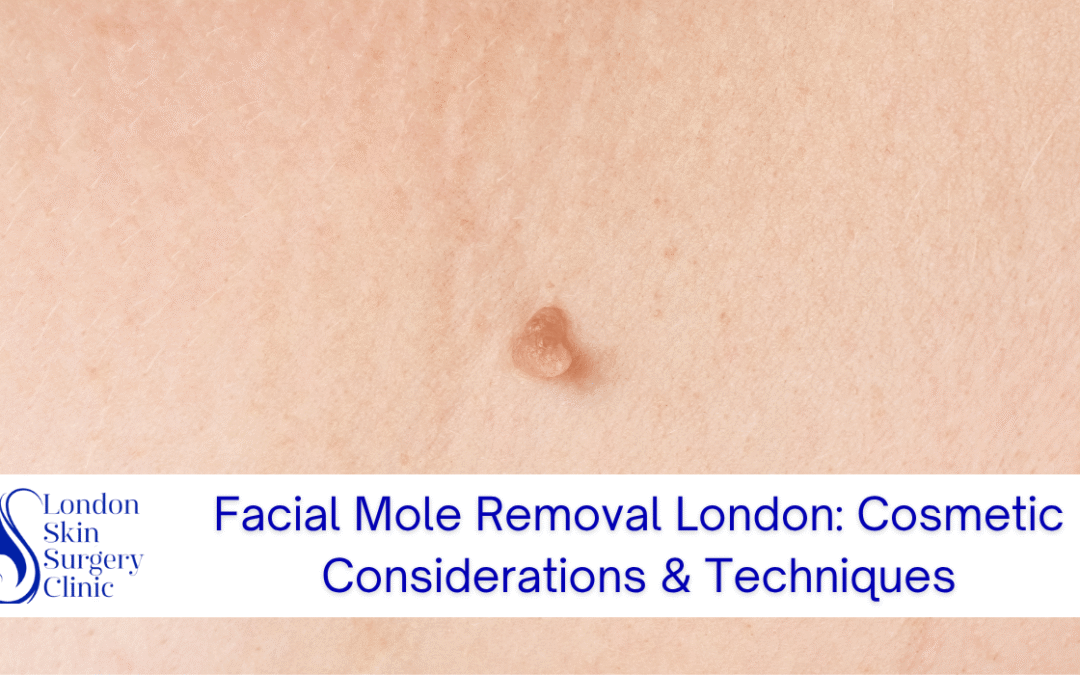
Facial Mole Removal in London Facial mole removal requires specialized techniques due to the visibility and varying skin thickness across different facial regions, making professional treatment essential for optimal aesthetic results. Advanced removal methods...
by Skin Surgery Clinic London | Sep 5, 2025 | Skin Lesion Removal
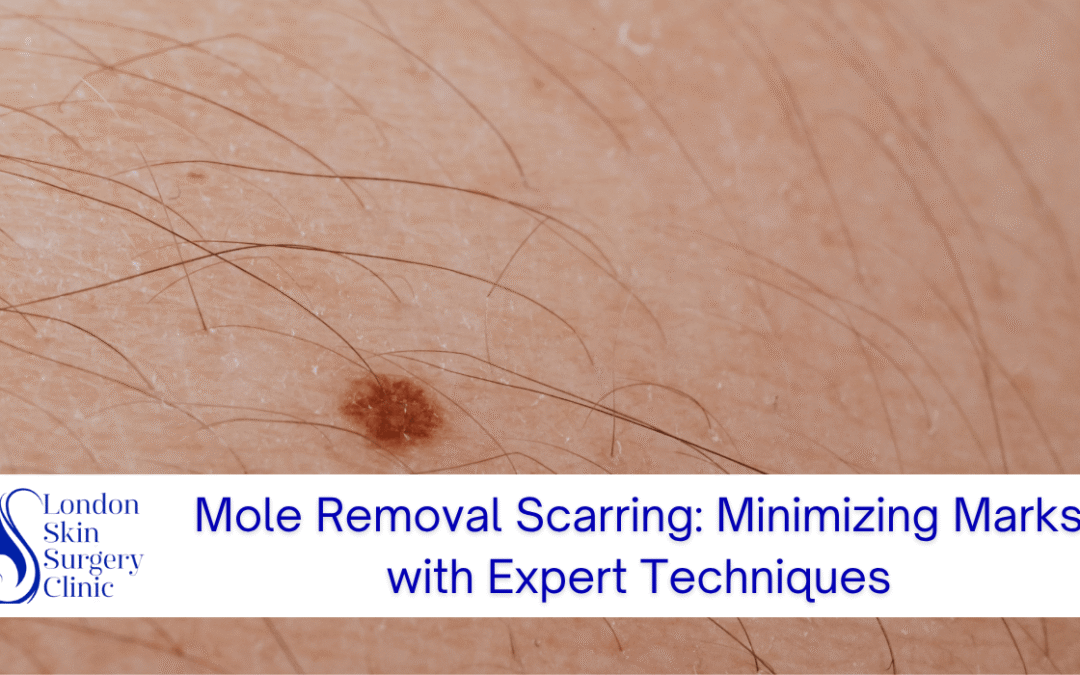
Essential Insights for Minimizing Mole Removal Scars All mole removal procedures leave some form of mark, but proper technique and aftercare can significantly minimize visible scarring. Scarring is influenced by factors including body location, mole size/depth, skin...
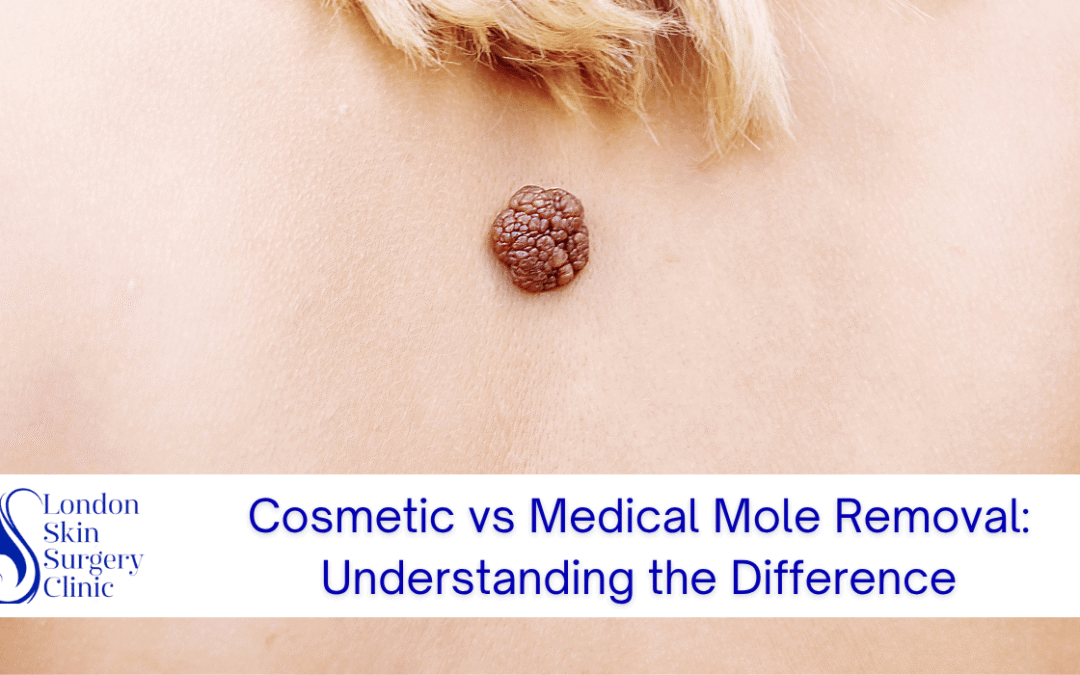
by Skin Surgery Clinic London | Sep 4, 2025 | Skin Lesion Removal
Navigating Mole Removal Decisions Medical mole removal addresses health concerns and suspicious characteristics (ABCDE criteria), while cosmetic removal focuses on appearance and comfort for benign moles. NHS typically covers medically necessary removals, while...
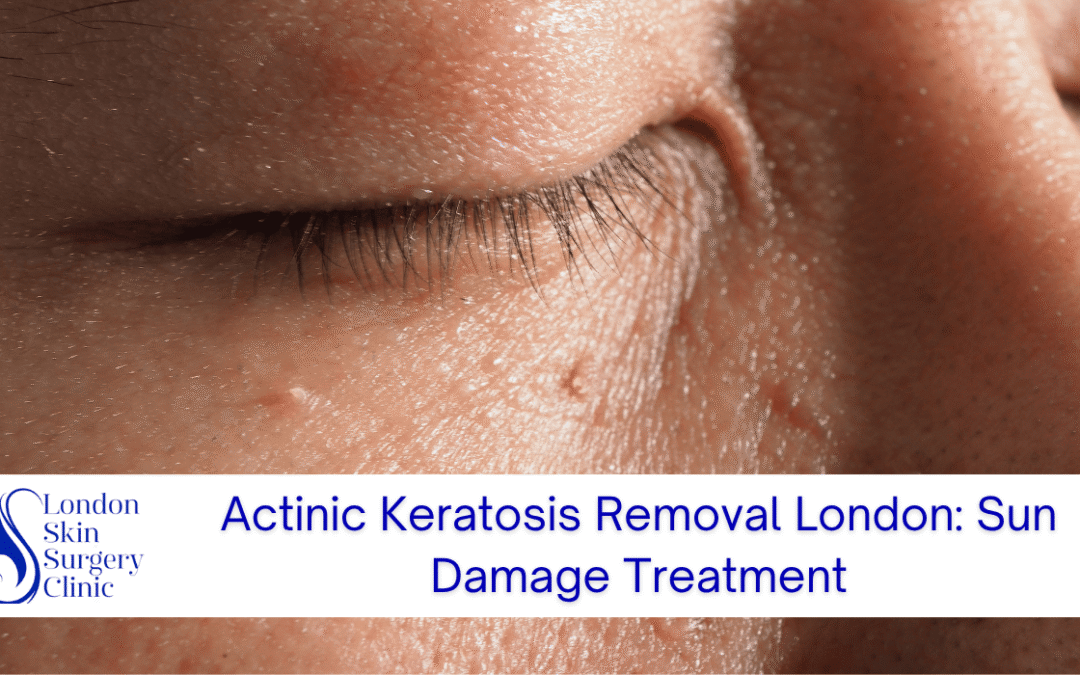
by Skin Surgery Clinic London | Sep 3, 2025 | Skin Lesion Removal
Managing Actinic Keratosis Actinic keratosis develops from cumulative UV exposure and affects primarily fair-skinned individuals over 40, with a 5-10% risk of progression to squamous cell carcinoma if left untreated. Early identification is crucial—look for rough,...
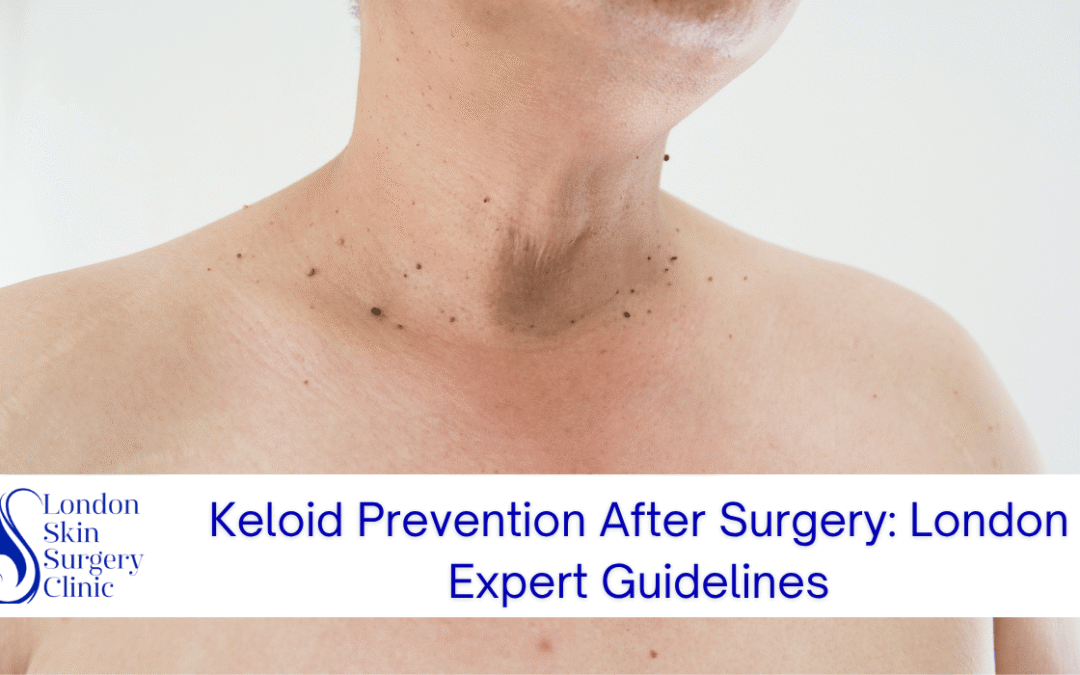
by Skin Surgery Clinic London | Sep 2, 2025 | Skin Lesion Removal
Successful Keloid Prevention Begin keloid prevention immediately after surgery, especially if you have risk factors like darker skin tone, family history, or previous keloids. Proper wound care forms the foundation of prevention—keep the area clean, minimize tension,...